
Best Cities for Investing in Homes Near Top-Tier Universities
3/15/2026
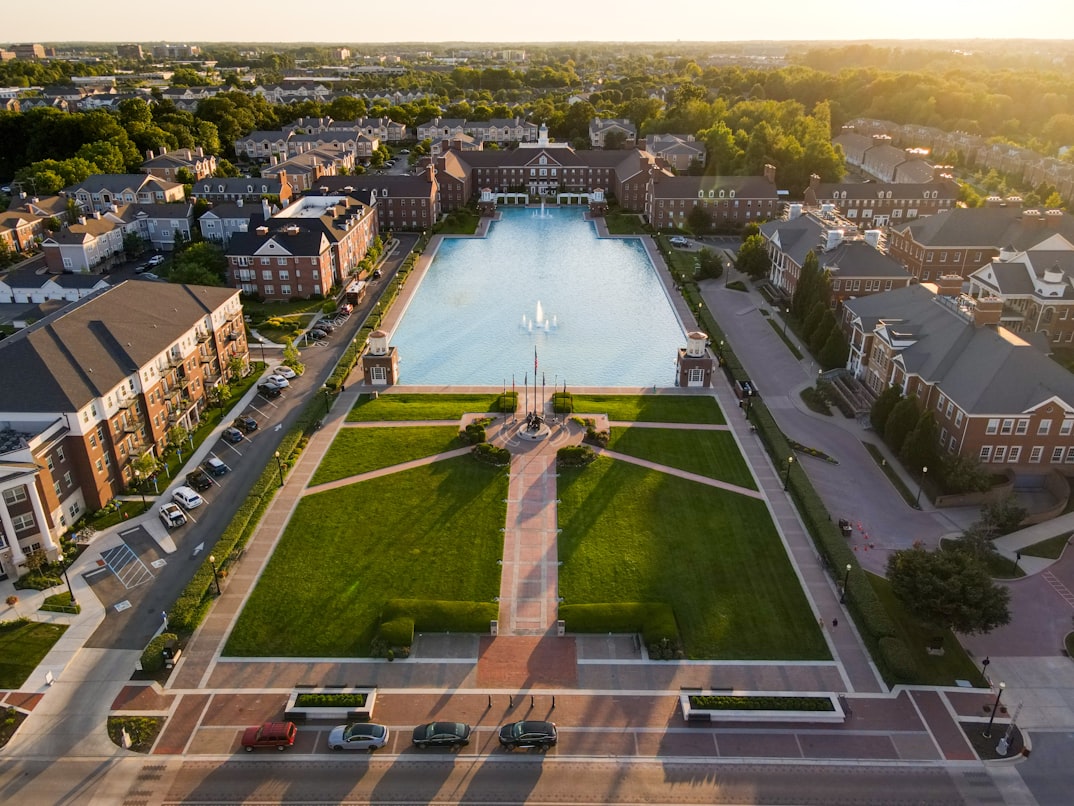
Introduction Whether you’re a seasoned investor or dipping your toes into real-estate waters, one rule almost everyone learns quickly is this: investing near a human magnet works well. This human magnet is something that pulls in tenants. Such a magnet is universities. When a major university anchors a city, the demand for housing becomes predictable, recurring, and resilient. If you’re hunting for areas with built-in demand, easier turnover, and research-backed growth, here’s a tour of cities that put education and investment opportunities on the same map. Why Does University-Adjacent Real Estate Make Smart Investment Sense? Consistent Demand From Students and Faculty A sizable student population means thousands of people eyeing homes, apartments, and rentals each semester. That’s a cyclical audience with dependable demand; especially near campus. Professors, grad students, and university staff also need housing. They naturally select properties near campus for convenience and community. Graduate and Professional Program Draw Universities with strong graduate and professional programs attract students older than the typical undergrad. These renters are often more stable, longer-term, and financially reliable. Some even come with families! Strong Rental Yield Potential Campus-adjacent properties often generate monthly rent at premium rates. This is simply due to location and proximity to lecture halls, libraries, dining, and culture. Long-Term Appreciation Through Stable Markets University cities tend to keep their value even during broader market softness, thanks to ongoing enrollment growth. What Investors Should Look For in University Markets To make smart buys near universities, you don’t just chase proximity. Keep in mind that you have to ensure quality of demand and future growth. Homes near major transit corridors tend to perform better for rentals and resale. The newer developments might be pricier. Yet older homes often offer you renovation scopes. This makes a perfect package for investors focused on value addition. Universities don’t operate alone. They draw in companies, research institutions, startups, and healthcare facilities. Job accessibility broadens your tenant pool. Restaurants, cafés, and parks also fuel rental appeal. Since young students and professionals are your target audience,you can benefit from this aspect. Locations not worth missing out Now, let’s look at the places where you can invest in order to make the maximum profit out of it. Fort Worth / Texas Christian University One great university market in Texas is Fort Worth. It is anchored by the prestigious Texas Christian University (TCU). It is located in a vibrant, growing city with strong economic and cultural ties. TCU continues to get a huge number of students year after year. For investors targeting university property demand, that longevity translates into steady rental interest. The resale velocity gets sky high here. You can also check out homes for sale near TCU. They often appeal not just to student renters but to faculty and long-term residents. Especially the ones looking to live within walking or biking distance of campus amenities. That diversity of demand alone strengthens occupancy rates over semester cycles. Austin / University of Texas at Austin Austin’s real-estate market has been a puller for investors and tenants alike. And the black hole at its center? We know it by the name of University of Texas at Austin. We all know that it is a flagship state institution. It draws tens of thousands of students annually. Rents near campus hold value because students want convenience. You’ll see the long-term renters appreciating proximity to downtown culture and employment hubs. Neighborhoods like Hyde Park, Brentwood, and areas north of campus offer strong investment potential. Homes here often command premium rents only because of location desirability. College Station / Texas A&M University College Station qualifies as a classic college market. Because, it has a strong student enrollment, stable rental demand, and lower entry costs compared to major metros. Students, staff, and young graduates all feed into steady housing needs. As investors, you can find single-family homes or duplexes that perform well under lease structures. They cater to both students and young professionals. Because entry prices tend to be lower, College Station can offer you compelling cap rates for buy-and-hold strategies. Comparing Investment Metrics Across University Markets When evaluating these markets, you must look into universities. You should also consider neighborhood-level dynamics. Prioritize areas where rental income comfortably covers expenses and generates a profit after costs. Some institutions sustain strong off-season demand from graduate students and faculty. They help reduce vacancy risk. Do choose between short-term student rentals or longer-term leases with professionals and families. Because, each strategy carries distinct advantages and challenges. You have to expect cash flow, management, and stability accordingly. Strategies for Investing in Campus-Adjacent Homes Investors commonly pursue several pathways in these markets. Many seek strong occupancy by targeting properties near campus. Others focus on renovating older homes to attract renters. Another option is to target resale buyers who appreciate modern, updated finishes. Additionally, duplexes, triplexes, and small multi-unit buildings in high-demand corridors can significantly amplify your returns. They carry income potential and long-term growth. Risks and How to Mitigate Them Investing near universities can be highly rewarding, but it comes with important caveats. Many cities impose rental caps or licensing requirements that can impact returns. Hence it’s essential to review local regulations carefully. High student turnover can create occasional vacancy gaps. It makes thoughtful lease structures, amenities, and pricing strategies critical. Popular university areas may also see heavy investor activity. Thus you can become prey to crowded markets. We’d suggest you try focusing on neighborhoods with balanced supply and demand. It helps maintain stability. Ultimately, mitigating risk requires the same level of due diligence and careful planning. Try to think like the tenants, what they expect when choosing their homes. Conclusion Homes near top-tier universities are location pins. They kind of keep a built-in demand cycle. Whether you’re targeting a large market or a steady one the principle stays the same: proximity attracts tenants. Predictability attracts returns. If you want to tap into that rhythm of steady need and strong market presence, aligning investment strategy with campus proximity might be one of the smartest moves you make this year. Because students graduate, but the housing demand near universities doesn’t. Hope this article helped you and best of luck on our end!

U.S. Cities for Professional Remote Workers Seeking Active Lifestyles
3/12/2026
According to the report, over 22 million Americans now work remotely, and the smartest people are choosing cities that match their energy. They aren’t just looking for fast internet and coworking spaces. But the demand is now the top-tier locations where work-life balance is real, mornings can start with a run or hike, and evenings can be spent cycling along a scenic trail or enjoying the beach. Starting from the mountain towns to coastal cities, these destinations offer career flexibility, modern infrastructure, and amazing opportunities for an active, outdoor lifestyle. Top U.S. Cities for Professional Remote Workers Seeking Active Lifestyles 1. Denver, Colorado Denver would be the premier destination for remote professionals, that is offering high-tier technical infrastructure with immediate access to the Rocky Mountains. It offers a perfect balance of productivity and outdoor lifestyle. Denver has invested heavily in modernizing its tech stack, which is supporting a growing telecommuting population. The city offers extensive fiber-optic networks with gigabit speeds. It is widely available in residential neighborhoods and even in urban lofts. What is notable is that the Denver market currently has 249 coworking spaces, which is ranking as the 8th largest market in the United States. That includes Enterprise RiNo, Venture X, and Thrive Workplace. 2. Boulder, Colorado Boulder is widely recognized as a top destination for remote professionals who demand an active leisure for relaxation while working. Located at the foothills of the Rocky Mountains, the city is combining a vibrant tech scene with unparalleled outdoor access. It makes it ideal for those who want to balance work and wellness. Even better, the city has a strong remote-work ecosystem. Remote workers can take advantage of the high-speed internet, numerous coworking spaces, and a growing community of startups and freelancers. Moreover, if you look into Boulder real estate, you’ll find neighborhoods that put you right by Chautauqua Park or the Boulder Creek Path. Residents here can easily access miles of hiking and biking trails, rock climbing spots, and open green spaces. 3. Portland, Oregon Portland is another best destination for remote workers if you highly prioritize a "green" lifestyle along with the availability of technical infrastructure. The city is often referred to as the heart of the Silicon Forest, as most people prefer it as a distinct alternative to more expensive coastal hubs. Even better, Portland’s infrastructure is built for reliability and high-speed demands. Much of the city is excellently covered by 100% fiber-optic networks. Due to all these facilities, 32.1% of workers in Multnomah County work from home, according to a Pew Research Center post-pandemic study. 4. Austin, Texas Austin stands out for remote professionals as it offers a strong tech-driven economy with a large remote-worker community. The best is that the city is blessed with numerous outdoor activities. During the pandemic-era migration shift, the city has gained around 28,000 additional remote workers, which is actually more than any other U.S. metro area. Moreover, Austin is increasingly designed for people who want to move around actively, which is easy for many remote workers. 5. San Diego, California San Diego, California, stands as one of the most well-rounded destinations for remote professionals in the country. The city is known for its active lifestyle, its year-round climate, and outdoor recreation culture. According to a recent study, the city climbed from 21st to 18th place nationally, with its remote-work score holding strong at 78 out of 100. Key coworking hubs include Downtown Works, Hera Hub, Venture X Scripps Ranch, and several Regus locations across the city. What truly sets San Diego apart is the City of San Diego Parks and Recreation Department, which manages around 40,000 acres of open space, more than 400 parks, and 26 miles of coastline. 6. Salt Lake City, Utah Salt Lake City has become an increasingly popular destination for remote professionals who actually demand a balance between career flexibility and outdoor living. The city is at the base of the Wasatch Mountains. This means you can enjoy unlimited hiking, skiing, or mountain biking trails. There are other popular sports locations like Big Cottonwood Canyon or Little Cottonwood Canyon. Even better, Salt Lake City is part of what is often called “Silicon Slopes.” Major companies and startups operate in the area, which is making a strong professional network and job market. 7. Miami, Florida With the best combination of outdoor, wellness-focused lifestyle, Miami has become one of the most attractive destinations for remote professionals looking for a dynamic work environment. The city’s tropical climate is best for allowing residents to stay active throughout the entire year. With the average temperature ranging from 68°F to 86°F (20–30°C) and abundant sunshine, professionals can easily balance work with outdoor activities like beach workouts. Beyond its climate, Miami has also grown into a thriving hub for remote workers and entrepreneurs. The city has seen a notable increase in coworking spaces and tech startups. Remote workers are getting modern infrastructure and strong internet connectivity, and the convenience of living in centrally located condos close to both work and recreation. 8. Santa Cruz, California Santa Cruz is a standout destination for remote professionals who want a relaxed coastal lifestyle while staying productive. Located along the Pacific Coast, the city offers reliable digital infrastructure and easy access to nature. One of the biggest advantages of Santa Cruz is its outdoor lifestyle. Even the area is famous for coastal cycling routes and amazing hiking trails. Some of the premium locations include Natural Bridges State Beach and Wilder Ranch State Park. These offer miles of trails for hiking, biking, and oceanfront activities. Just head to the Santa Cruz Beach Boardwalk, and you will have a vibrant waterfront atmosphere for amusement. 9. Bellingham, Washington Bellingham has quietly become one of the most appealing cities for remote professionals if you are focused on a nature-focused lifestyle while having easy connectivity. Located between Seattle and Vancouver, the city can be a reliable destination for digital infrastructure and a growing community of freelancers, entrepreneurs, and remote workers. What truly sets Bellingham apart is its immediate access to outdoor recreation. The city is along the shores of Bellingham Bay and near the mountains of Mount Baker. Remote workers likely have year-round opportunities for adventure. To Conclude When you have the top US cities for professional remote workers selecting lifestyle, the choice is now choosing the right place for finance. Consider your priorities like outdoor activities, coworking options, and climate. If it’s a mountain town, coastal city, or tech hub, ensure to do proper research on neighborhoods, real estate, and local amenities.
Where in Canada You Can Find a Home With a View
2/26/2026
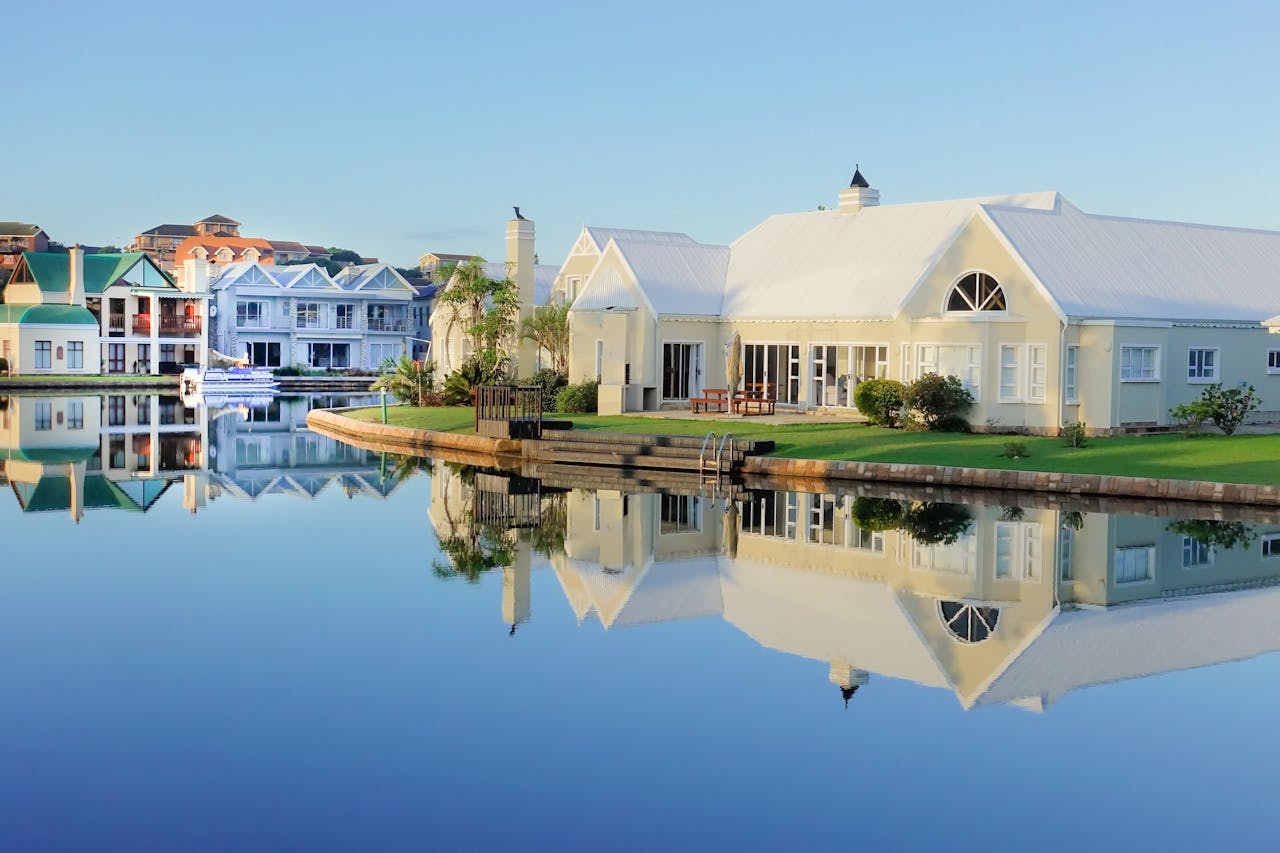
Where in Canada You Can Find a Home With a View Canada is full of places that provide unique views and amenities. For one, these places are full of natural elements and modern amenities for anyone looking to settle down. Second, the pricing of these places welcomes all sorts of people. In this article, I have listed down all the places you can find a home with great view in Canada. Let’s get started. Niagara - Fallsview Living Landscape: Mist, river gorge, and night lights all combined is Niagra. Fallsview delivers the most iconic skyline views thanks to elevated condos and hotels. In the meantime, you enjoy quiet, serene spots closer to the Niagara River and Parkway. Price: Single-family homes are around $600,000. Also, the inventory sits around 7.2 months on average. This indicates buyers get more breathing room here. However, you can get great home deals if you just look in the Niagara-on-the-Lake territory. West Vancouver - For Beach View Landscape: West Vancouver’s waterfront stretches from English Bay to Sealish Sea. The Ambleside and Dundarave beaches also provide stunning views of Stanley Park, Lions Gate Bridge, and the North Shore Mountains. The view becomes mesmerising when the cargo ships move slowly in the water under the golden light of dusk. Pricing: The benchmark price of apartments according to Greater Vancouver Realtors is $1,159,100 as of January 2026. Neighbourhood & Amenities: Enjoy the Ambleside Park for recreation, and use the public transit over the bridge to Vancouver’s downtown. Daily life here revolves around the West Centennial Seawalk, small cafes, marinas, and the Park Royal shopping mall. Okanagan Valley - Mountain View Landscape: Mountain views with sun-covered benchlands and vineyard slopes defines Okanagan Valley. There are also visual lines that stretch from the Okanagan Lake to the Monashee Mountains. You’ll also see ridges that lead to the Cascades on a clear day. At sunset, the entire valley shows a soft rose gold glow. Pricing: As of January 2026: Single-family homes typically cost around $1,060,300. They sell in an average of 81 days. The price of a condo is 401,300. Neighbourhood & amenities: Look to Upper Mission, Wilden, West Kelowna Estates, or Lake Country for trail access, lake beaches, wineries, and quick runs to Downtown Kelowna services, Mission Creek Greenway, UBC Okanagan, Kelowna General Hospital, and Big White Ski Resort. Sunshine Coast - Oceanfront Living Landscape: Coastal Mountain settings and seafront views make British Columbia’s Sunshine Coast a prime location to live in Canada. The coastline has arbutus trees on rocky cliffs, small shores, and quiet entrances. It's the perfect spot to enjoy coastal living throughout the year. Pricing: Benchmark price of all homes is $798,100 Detached homes go for $851,800 Neighbourhood & Amenities: Life in Sunshine Coast is primarily based on marinas, farmers’ markets, and local studios. The streets with cafes are also a big part of daily life. Hiking and Kayaking are the main attractions for recreation here. Banff & Canmore - Rocky Mountains Landscape: This place has brilliant Rocky Mountain views thanks to the Bow Valley. You can enjoy the beauty of Mount Rundle, Cascade Mountain, and the Three Sisters while living in Banff and Canmore. It becomes even more mesmerising as the Bow River flows through the pine trees and open meadows. That said, the reflection of the mountains in the Vermillion Lakes creates a serene atmosphere. Pricing: Prices are higher than usual here. That’s due to the fact that this place provides rare views. Median sale price of homes is $980,000 in Banff. In Canmore, the median price is $1,186,374. Neighbourhood & Amenities: The small town center in Banff is its main attraction. Canmore, on the other hand, has a more lively downtown. It has a resort-style three-sisters area. However, both have clinics, schools, and recreation centers. The good thing about both of these places is how easily they let you go to Sunshine Village and Lake Louise. You can enjoy skiing and hiking there. Muskoka & Algonquin Highlands - Lakefront View Landscape: Known as the Canadian Shield, granite rocks, towering pine trees, and clear lakes make Muskoka and Algonquin Highlands an unforgettable place to live. Sitting beside a large window treats you to shorelines and serene creeks. That said, the Muskoka chain: Lake Muskoka, Lake Rosseau, and Lake Joseph delivers big lake views. Algonquin Park, on the other hand, comes with popular kayak paths. Pricing: Median sale price for waterfront homes is $850,000 Non-waterfront homes go for $540,000 Neighbourhood & Amenities: Huntsville, Bracebridge, or Gravenhurst have restaurants and grocery shops. In these territories, you’ll also find schools and hospitals. Plus, you enjoy a seaside home with dock. Prince Edward County - Coastal Cliffs & Vineyards Landscape: Limestone cliffs and sandy beaches with dunes make Prince Edward County a picturesque setting. Clean vineyards, orchards, and a wide view over Lake Ontario elevate the appeal of this place even further. Pricing: Average homes sold for $725,023, 93% of the asking price. They stayed 45 days on the market. Neighborhood & Amenities: In this county, Picton, Wellington, and Bloomfield are the most friendly towns. You get wine testing rooms, organic restaurants, harbors, and the Millennium Trail for Biking. Besides the art galleries and boutique shops attract the artistic people. Quebec City - Urban & Riverside Living Landscape: The heart of Cap Diamant, Quebec City, holds a magnificent view of the St. Lawrence River. Upper town cliffs drop down toward the river and the Saint-Charles river valley. Also, the expansive view of the water is easily viewable from the Dufferin Terrace. Pricing: Median price for single family home is $455,000. Condo price is $339,000 2-5 unit plex is $545,000 Houses here get sold within 40 days. Northwest Territories - Enjoy the Northern Lights Landscape: Granite, well-groomed trees, low ridges, and calm coves describe the Northwest Territories. Also, Yellowknife is in this area. The skies here feel more open and wide. As a result, you can watch the stunning show of Northern Lights from the decks. Pricing: With 285 homes sold, the price now sits at $542,075. This is an increase by 6.5% from 2025.MLS listings start from $250,000 for condos, townhomes, duplexes, and detached houses. Neighbourhood & Amenities: This area will easily fulfil your necessities. Grocery stores, schools, public libraries, and recreation centers provide everything a citizen can ask for. For healthcare systems, the Stanton Territorial Hospital is in the vicinity.
Key Factors Driving the Demand for Waterfront Holiday Homes Internationally
2/18/2026
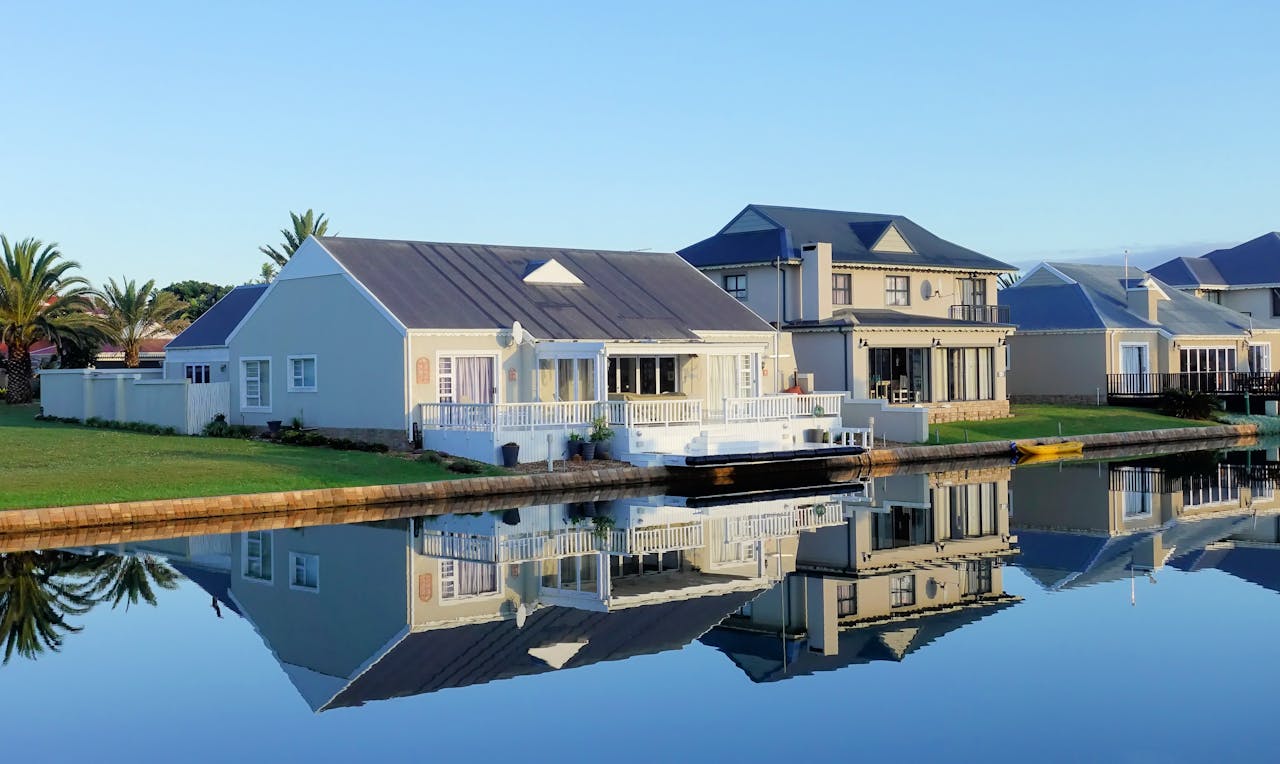
There’s something magnetic about properties that sit on the water. It might be a serene lake that we see in old movies. Probably a winding river, or the open ocean. Isn’t it badly tempting to think about such a place? Ever considered living there? If not, now’s the right time. Let’s talk about Waterfront Holiday Homes. The first question that usually arises in this context is: Is it just about views? If you think it is, you’re wrong. I’d like to tell you that it’s a front-row seat to life’s best moments. It's about the lifestyle, the memories etc. You can’t miss the investment potential that comes with owning a slice of paradise. People gravitate toward homes that make them feel alive, relaxed, and inspired. That emotional connection is at the heart of why international demand for these homes keeps growing. Now, let’s see this front seat through our guide to help you select your dream water side estate. The key factors: Our goal is to identify the key factors that make the choice of a waterside estate worth it. Here are some considerations that you can look forward to: Lifestyle aspirations and emotional value Let’s start with the obvious: lifestyle. Waterfront homes offer a sense of calm, freedom, and exclusivity. You see, that’s hard to replicate elsewhere. Can you imagine morning coffees overlooking still water? Or evening strolls on your private dock? There are people living on this planet who’d trade everything for such experiences. These spontaneous weekend getaways feel like you’re in a whole new world! The emotional value can’t be overstated. You’re buying experiences, memories, and a feeling of serenity. Remote work and flexible Mobility The rise of remote work has also reshaped buyer priorities. Many professionals now value flexibility over proximity to traditional office hubs. This has fueled international demand for vacation homes in scenic, water-adjacent locations. You can join a Zoom call with a lake or ocean view in the background. People in the call might just get confused how the zoom background feels so realistic. Meanwhile, you still feel like you’re on vacation. This combination of flexibility and luxury makes these homes incredibly appealing. Investment potential and capital appreciation Money is often hard to ignore, don’t you think? That’s why many buyers are also drawn by the income potential. That’s why at the backdrop of lifestyle, there’s a compelling financial case hiding. Waterfront properties tend to hold and grow their value faster if you compare them to non-waterfront properties. Scarcity is part of the equation. Since not every home has access to a lake, river, or coastline, the ones that have it possess extra demand. If you ask me, it's an investment in long-term growth. For international buyers, these properties often provide both emotional satisfaction and smart capital appreciation. You’d see most of them fall for this one factor badly. Short-Term rental opportunities These properties in popular destinations can serve as short-term rentals. That’s the trick to seasonal income. This helps offset ownership costs. Some homes are rented as shooting spots. And it’s no surprise that tourists love proximity to water. Therefore, a well-maintained home in the right location can command premium nightly rates. Only try to get the right management and marketing. That way, you can have a lucrative strategy for both domestic and international investors. Infrastructure and accessibility improvements Explaining the importance of infrastructure is a piece of cake. Expanding airports, improved roads, and better public transport make previously remote areas more accessible. So, international buyers don’t back off. With easier access, these locations become more attractive for both personal use and short-term rentals. Modern amenities, high-speed internet, and healthcare access are also very important. Assuming you went to vacation in such a place, you’d never want to compromise these aspects, would you? So ensuring these things are balanced helps owners gain buyer confidence and satisfaction. Growth of Resort-Style Amenities Luxury resorts, golf courses, marinas, and spa facilities - they are great gamechangers if you ask me. Buyers are drawn to areas where they can enjoy the conveniences of a resort-like facility. Communities that integrate these offerings seamlessly tend to strike matchless. Prestige and status considerations Let’s not forget prestige, shall we? Owning a home on the water often carries social cachet. It signals taste, financial stability, and a commitment to a certain lifestyle. The global recognition and exclusivity associated with Palm Beach, Florida is a prime example of this unmatched coastal prestige. For international buyers, it’s also a statement. Talk about private enjoyment with social bragging rights, huh? Of course, no investment is without risks. You’d have guessed that waterfront properties are subject to environmental factors. For instance, they have to deal with erosion, flooding, and storms. Make sure that you assess climate change impact, local regulations, and insurance costs before committing. Working with experienced real estate professionals ensures that buyers balance lifestyle desires with practical risk management. So, definitely enjoy the view; but always understand the reality. Conclusion In the end, the demand for waterfront holiday homes internationally is driven by a lot of lifestyles. They’re gateways to experiences, memories, and smart investments that stand the test of time. If you’re considering entering this market or exploring options, working with a trusted partner can make all the difference. By connecting with experienced professionals, you can find good properties. For more guidance on navigating these high-demand areas, check out http://immovario.com for insights and resources. And from my end, best of luck!

Spain vs. USA Real Estate: The Ultimate Expat Playbook for Investment and Lifestyle
11/23/2025
Thinking about living abroad? Then we are guessing you are confused whether to invest your money in Spain or the USA? Both have great appeal to real estate investors. But for completely different reasons. Spain sells you the dream of a slow and sunny life. On the other side, the U.S. is all about “opportunity, income, and high-ROI property.” We can’t really declare either of them as the better country. But we can show you a detailed comparison of all the factors that matter; living cost, rental yield, long-term wealth and so on. So, if you are ready, let’s get going. Lifestyle vs. Cost of Living Spain offers a calm, slow, and community-oriented lifestyle. You get to explore outdoor cafés, late dinners, safe neighborhoods, and a lot fewer people talking about “hustle.” Healthcare is affordable. Education options are good. And a typical expat household can live comfortably on 30–40% less than in most U.S. major cities. The U.S. lifestyle truly embodies the hustle culture. It is faster and more opportunity-driven. On the bright side, you get bigger salaries, more consumer choice, and access to some of the world’s top economic hubs. But the trade-off is higher living costs, more stress, and expensive healthcare if you’re not insured. Property Prices vs. Investment Potential The typical price per sq ft in Spain is around US$194. In cities like Valencia, the price can go up to US$235. But that’s still very low compared to the US real estate market where the price per sq ft can be as much as $450 depending on the location. Then why would anyone be interested in buying US properties? Well, the catch is, US market offers higher appreciation rates for investors; that too very quickly. So, you can expect to gain a terrific profit by reselling the property in the future. Areas like Tampa, Orlando, Phoenix, parts of Texas offer high rental yield. Meanwhile, Spain grows slowly but steadily. You don’t get dramatic peaks or dramatic crashes like its US counterpart. In short, Spain gives you more house for less money, but the U.S. often gives you stronger returns. Quick Comparison Table Country Typical Price Per Sq Ft Remarks Spain €180–€350 / sq ft Very reasonable. But beaches can cost a bit more USA $270–$650 / sq ft High in metro areas Taxes & Residency — Complexity vs. Benefits Spain will allow you to get residency benefits after a qualified real-estate investment. For example, expect a golden visa if you invest €500,000+ in Spanish property (depending on region). And your home purchase often qualifies you for residency benefits (healthcare access, free movement in Schengen area). That’s not it. Property tax here is super low; often below 1% of your annually assessed value. The case is different for the USA. Here, buying a home doesn’t usually grant residency unless you do a special program like EB-5. Such programs require you to invest over US$800,000+ in a qualifying enterprise. You also have to pay a higher property tax. In states like New Jersey or Illinois it can exceed 2% and local taxes add up. As an example, median home price plus property tax in some U.S. states now puts annual tax bills in the US$6,000+ range. Income Opportunities vs. Work–Life Balance If you’re working in tech, finance, medicine, logistics, or entrepreneurship, the U.S. will almost always pay more. For example, a software engineer in Spain earns around $58,000 annually, while a similar role in the USA pays as much as $160,000 per year. It’s more than double. However, if you are a remote worker or full-time freelancer, Spain holds more value for you. You can have a global salary and don’t have to spend like an average American. The lower cost of living in Spain will actually help you accumulate wealth faster and secure your future. Real Estate Hotspots: Spain vs USA Spain’s real estate hotspots tend to reward lifestyle buyers first and investors second. The logic behind buying in places like Valencia, Alicante, Málaga, Madrid, or Barcelona is not “maximum yield at all costs.” It’s usually: Can I enjoy living here and still know that the property will hold value? Appreciation is slower than the U.S. But it’s stable because demand comes from a mix of locals, expats, retirees, and digital nomads, not speculation cycles. The U.S. hotspots operate differently. The popular metros for expats and investors are the Florida Gulf Coast, Austin/Dallas, Phoenix, and Charlotte. Or, you can diversify your portfolio by going for highly demanding waterfront condos of Lake Geneva, Wisconsin. But whatever option you choose, real estate investment in the USA is usually driven by migration patterns, employment opportunities, and rental demand. These markets don’t ask “Will you enjoy living here?” as much as “Is this the place where jobs, income, and population are moving next?” Which One Is Better For You? Remote Workers: Remote workers tend to care more about lifestyle and monthly expenses than corporate salaries. This is where Spain is the clear winner. The cost of living is meaningfully lower, and the pace of life is very remote-work friendly. Founders/Entrepreneurs: If you’re building a startup and need access to capital, customers, and rapid networking, the U.S. ecosystem is unmatched. Investors, accelerators, and tech talent are all clustered close together in multiple cities, and the business culture rewards speed and risk-taking. Tech workers: professionals will earn significantly more in the U.S. Salaries are higher, and career growth is faster. Retirees: Spain checks nearly every box for retirement: warm climate, affordable healthcare, safer streets, and a social lifestyle built around community. Daily living costs are predictable and manageable, and residency paths for retirees are straightforward. Unless you have strong savings to support healthcare costs, Spain is a better choice. Quick Recap Table We don’t blame you if you’ve already lost track. It’s actually a bit confusing. Different expats care about different things. So, here’s a quick recap table condensing everything we talked about in the article. Factor Spain USA Avg property price (per sq ft) Lower Higher Expected rental yield Moderate to low Higher in metros Property tax Very low Higher Closing costs Higher Low to moderate Appreciation Slower but steady Higher Cost of living Lower Higher Residency tied to property purchase Yes Only for EB-5 investment Career opportunities Yes, but with lower salaries Yes, and higher salaries Bottom line As you can see, neither country wins overall. Because they’re designed for different goals. If you want lifestyle, affordability, healthcare, and community, then the clear winner is Spain. But if you are highly ambitious and want a strong income, appreciation, business opportunity, and rental yields, then for sure it's the USA.

Palm weaving for Easter in Elche
3/10/2025
Easter or Semana Santa is celebrated across Spain - from tiny villages to the big cities, Easter is the biggest festival of them all. With common traits running across the celebrations, some towns and cities have their own specific traditions which brings both locals and tourists alike to celebrate together. Semana Santa in Andalucía Semana Santa is particularly well known outside of Spain as being the processions undertaken by the confradias or brotherhoods in Seville, Cordoba and Granada. However, in other regions there are some traditions which make them stand out, Elche, near Alicante being one of them. Unique offerings for the Elche Palm Sunday Procession The Palm Sunday Procession in Elche, held on the Sunday before Good Friday, dates back to the 14th century, a time when Spain was under Moorish rule, yet these palm trees were used to provide palm offerings for Christian traditions. Elche is one of the only places in the world where the tradition of making palm fronds still survives. The fronds are exported across the world and sourced from the Palmeral of Elche, Europe's largest palm grove and the most northerly in the world, mentioned by Hans Christian Anderson in his 1862 novel A Journey through Spain. Named a UNESCO world Heritage Site, the palm trees grow in covered conditions for most of the year, to maintain their unique colouring. The leaves are bound together at the crown of the tree so that sunlight cannot reach the new leaves sprouting and growing in the centre. This process turns the leaves from their natural green colour to the yellow/straw colour associated with Palm Sunday. Unique weavings The weaving of the palm leaves is unique to the Mediterranean, with the only other place in the world that produces them for the Vatican amongst other customers, being Bordighera in Italy, a city with trading ties to Spain. In Elche, you can buy both woven and unwoven palms, with intricate designs such as flowers or crowns available to purchase at the markets on Plaza de Baixa, Plaza de Castilla, Plaza de Barcelona, Mercado del Pla de San José, Plaza de Madrid and Plaza de Altabix. If you have a home or are looking to buy a holiday home in Elche, a popular spot near Alicante, or further afield on the Costa Blanca, then contact our local agents via our easy search form for more details on how to buy and where to find the ideal home for you. Sources Spain.info/en_GB/que-quieres/agenda/fiestas/alicante/procesion_del_domingo_de_ramos.html aroundalicanteholidays.blogspot.com/2013/03/elche-white-palm-market-tradicional.html Textilesupport.net/single-post/2016/11/25/The-White-Palms-of-Elche

Exploring Japanese Sword Types: From Wakizashi to Katana and Beyond
2/13/2025
Japanese sword craft dates back over millennia, reflecting an inextricable blend of function and reverence. While other blades may exist solely for battle purposes, Japanese blades reveal a deep connection between their users, their weapons, and honor. Japanese swords originally took inspiration from Chinese blades, yet developed uniquely over time to become an array of weapon types. Swords became symbols of status worn primarily by samurai who were trained to wield them with respect and discipline. Over time, swordsmithing became more refined with techniques passed from generation to generation becoming revered art forms in Japan - still fascinating today with both historical depth and modern appreciation! This exploration dives deep into their features such as combat role roles cultural significance legacy as we discover more of Japanese history than ever before! The Art of Swordsmithing Swordsmithing in Japan, commonly referred to as token, involves highly skilled techniques. Each sword must go through an exhaustive and time-consuming process of creation before finally leaving its maker's workshop. Tamahagane steel is folded multiple times to form layers, producing both a resilient blade and its signature hada pattern that can be seen on its surface. Katana: The Iconic Samurai Sword The katana is the iconic Japanese sword, symbolizing power and honor among samurai class warriors. Typically measuring 60 to 80 cm long with its slightly curved blade designed for swift cuts with precise results. With its single-edged razor-sharp blade and ergonomic grip handle, the katana was ideal for open combat. To further ensure efficient and clean slashing action, its handle, known as Tsuka, would often be wrapped with cotton thread for better control when in combat situations; its sword was stored safely inside its Saya scabbard when not being used. Beyond its physical attributes, the katana holds great spiritual meaning for samurai warriors who believe it embodies their warrior spirits. It has become an iconic symbol of Japanese craftsmanship and martial heritage; treasured both by practitioners and collectors. Wakizashi: The Companion Sword A wakizashi was traditionally worn alongside a katana to form a pair known as the daisho, often called its companion sword. The shorter, 30-to-60 cm blade length wakizashi was well suited for close quarters combat, where its longer counterpart might become cumbersome. Samurais used it not only as an additional weapon but also for tasks requiring precision. Additionally, the wakizashi was employed in rituals, including seppuku (ritual suicide). Samurai were allowed to wear their daisho as a mark of rank and honor; its history, significance, and versatility make it an intriguing complement to katanas. Tanto: The Small Dagger A tanto is a small dagger with blades typically under 30 cm that was carried by Samurai warriors as a last-resort weapon for self-defense or close combat situations. Due to its compact size, many Samurai kept their tanto within reach for self-defense or close combat situations and often kept it on their armor as an accessory - reflecting both practicality and aesthetic value in Japanese culture. Also used during ceremonies or presented as gifts as tokens of respect or allegiance - in modern times this artifact remains beloved among collectors who appreciate both its historical role and visual beauty. Tachi: Forerunner of the Katana Before the katana became the primary sword for samurai warriors, the tachi was their weapon of choice. Designed specifically for cavalry combat with quick draws while mounted, its design allowed for powerful slashing motions designed for mounted warfare suited by its design. As warfare tactics changed and hand-to-hand combat became increasingly important over time, the tachi gradually evolved into the katana; worn edge-up for faster draw in hand-to-hand combat - marking an important change in Japanese sword history that represents how each type reflects individual warrior needs over time. Nodachi and Odachi: The Great Swords Nodachi and Odachi swords were large and intimidating swords which required great skill to use effectively in battle. At times measuring over one meter long, these powerful weapons required immense amounts of skill when wielded successfully in combat. Nodachi and Odachi were originally used on battlefields to fight cavalry or intimidate enemy ranks; their long reach gave samurai an advantage against mounted enemies. Their immense size required considerable strength; as warfare strategies advanced, Nodachi and Odachi became less useful for their intended use on the battlefield; today however, Nodachi are valued ceremonial pieces revered for their craftsmanship and powerful presence and occasionally appear in martial arts demonstrations as symbols of physical strength and dedication of samurai warriors. Yari and Naginata: Polearms with Bladed Edges Samurai warriors utilized polearms such as the yari and naginata as essential weapons in Japanese warfare. The former, known as spears, were widely employed on battlefields due to their reach and effective formation use against infantry and cavalry formations. Whereas female onna-bugeisha would often utilize it for self-defense and combat purposes - both are still practiced today within Japanese martial arts, providing examples of tactical diversity in Japanese weaponry that showcase its diverse construction. Myth and Symbolism in Japanese Sword Types Japanese swords are steeped in myth, often serving as spiritual extensions of their wielder. Samurai warriors believed their blades held spiritual energy, while famous smiths such as Muramasa created blades with distinct "personalities". Muramasa's blades were known for being bloodthirsty and believed to cause violence among his warriors, while Masamune's symbolized peace and restraint. This mythological background highlights the reverence that samurai held their swords with, going far beyond being mere tools and becoming icons of personal and moral character. Even today, these legends remain popular within Japanese culture and pop culture, reflecting their deep spiritual significance. Contemporary Legacy and Collecting Japanese Swords Today in Japan, sword making remains alive with modern swordsmiths carrying forward ancient techniques. Antique Japanese swords uk are highly prized among collectors worldwide, as not only historical artifacts but also as symbols of elegance, skill, and artistry. Legal restrictions have preserved traditional swordsmithing in Japan, making it both a respected craft and an aesthetic phenomenon. Japanese swords appear frequently in films, literature and media today; sparking global interest through their beauty and history. Collectors, historians and martial artists all appreciate these blades that represent Japan's cultural resilience and serve as reminders of its past. Conclusion Japanese swords ranging from legendary katanas to powerful nodachis represent different aspects of Japan's martial and cultural heritage. More than mere weapons, Japanese swords represent honor, skill, and an intimate bond between a warrior and their blade. Modern audiences continue to marvel at these ancient treasures which inspire collectors, historians, and enthusiasts who continue their legacy far beyond battlefield battlegrounds.
Portugal Real Estate 2025: What's Changing and What Should Investors Know?
12/3/2024
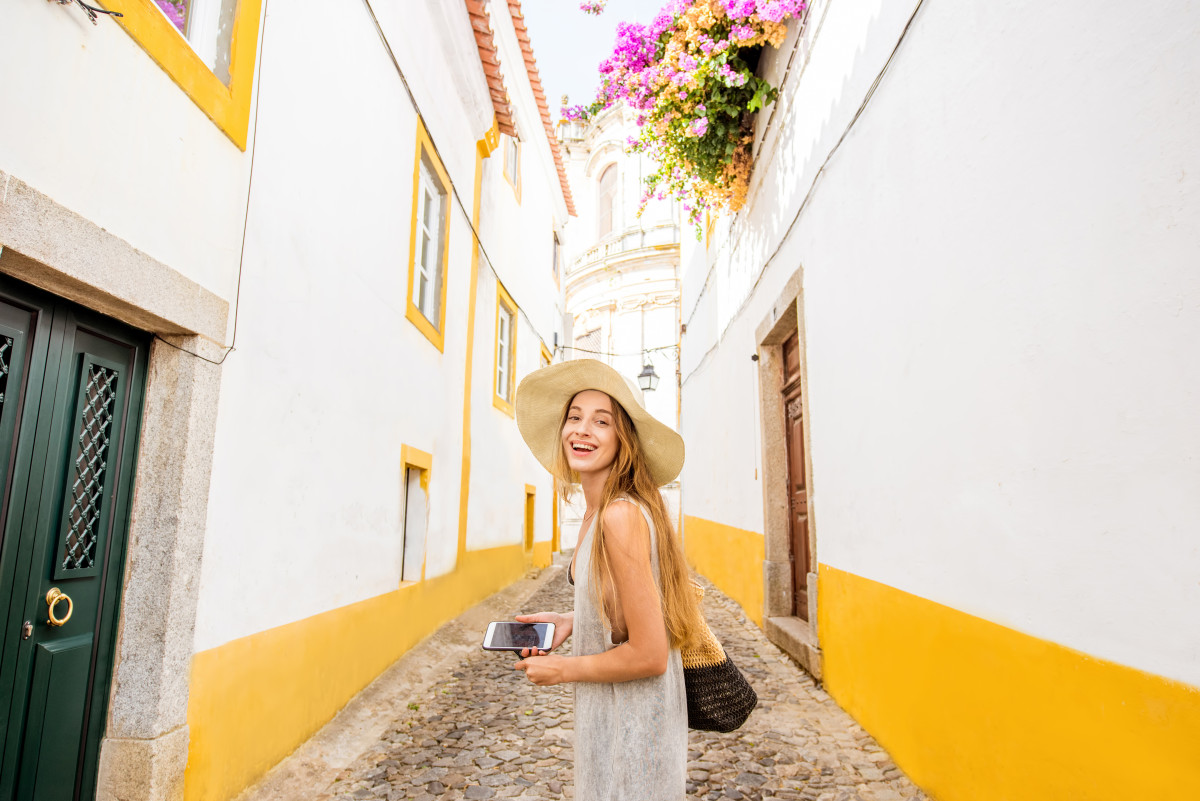
Relocating to a new country like Portugal offers plenty of opportunities and challenges, especially when it comes to managing finances. Understanding the local investment environment, tax regulations, and real estate market can make a substantial difference in growing your wealth and maintaining financial stability. But how should you plan your income and assets while living in Portugal? How Tourism Drives Property Demand Portugal offers a variety of investment options, making it an attractive destination for expatriates looking to grow their wealth. The real estate market, in particular, remains a top choice. With its beautiful landscapes and growing tourism, the demand for property is consistently rising, creating strong potential for rental income and long-term capital gains. For those looking to diversify, Portuguese investment funds offer another appealing avenue. These funds typically involve a mix of investments, helping to spread risk while still providing promising returns. They're a good option for newcomers to the Portuguese market, offering an accessible way to build wealth without needing extensive local knowledge. Real estate continues to be a standout investment, especially in cities like Lisbon and Porto. The increasing number of expatriates and tourists means the demand for residential and commercial properties remains high. If you're thinking about purchasing a property in Portugal, whether for investment or personal use, it's worth noting that the market offers solid potential for long-term appreciation. Additionally, programs such as the Golden Visa make real estate investment even more appealing, offering residency to non-EU nationals who invest in higher-value properties. Portugal's Tax System: What Expats Miss Understanding the Portuguese tax system is a must for expatriates aiming to manage their finances effectively. One of the most appealing tax schemes is the Non-Habitual Residency (NHR) regime. This plan offers attractive tax reductions during the first ten years of residency, especially for retirees and high-net-worth individuals, as it applies to both foreign pensions and local earnings. In addition to the NHR regime, expatriates should familiarize themselves with the general principles of Portuguese taxation. The country follows a yearly tax cycle, running from January 1st to December 31st, and includes various tax brackets depending on the type and amount of income. Even those earning only abroad are required to file an annual tax return. Property owners also need to account for the IMI (Municipal Property Tax), which is calculated based on the property's value and varies between municipalities. Staying on top of these obligations ensures compliance and avoids unnecessary fines. Your Financial Plan for Portugal Building wealth in Portugal goes beyond choosing the right investment; it involves thoughtful management of your finances. Regularly reviewing your asset allocation, diversifying your portfolio, and making timely adjustments help reduce risks and increase your growth potential. Working with a skilled financial advisor can provide valuable insight, especially when navigating complex international markets. A trusted advisor will offer personalized strategies tailored to your unique financial situation, guiding you through tax regulations, investment choices, and long-term wealth optimization. Portugal's relaxed lifestyle and favorable climate also offer an ideal backdrop for a balanced life. Integrating professional goals with leisure activities is central to enjoying all that Portugal has to offer. Whether it's enjoying the country's rich culture, savoring fine gastronomy, or simply relaxing in its beautiful surroundings, a balanced lifestyle can enrich your experience as an expatriate.
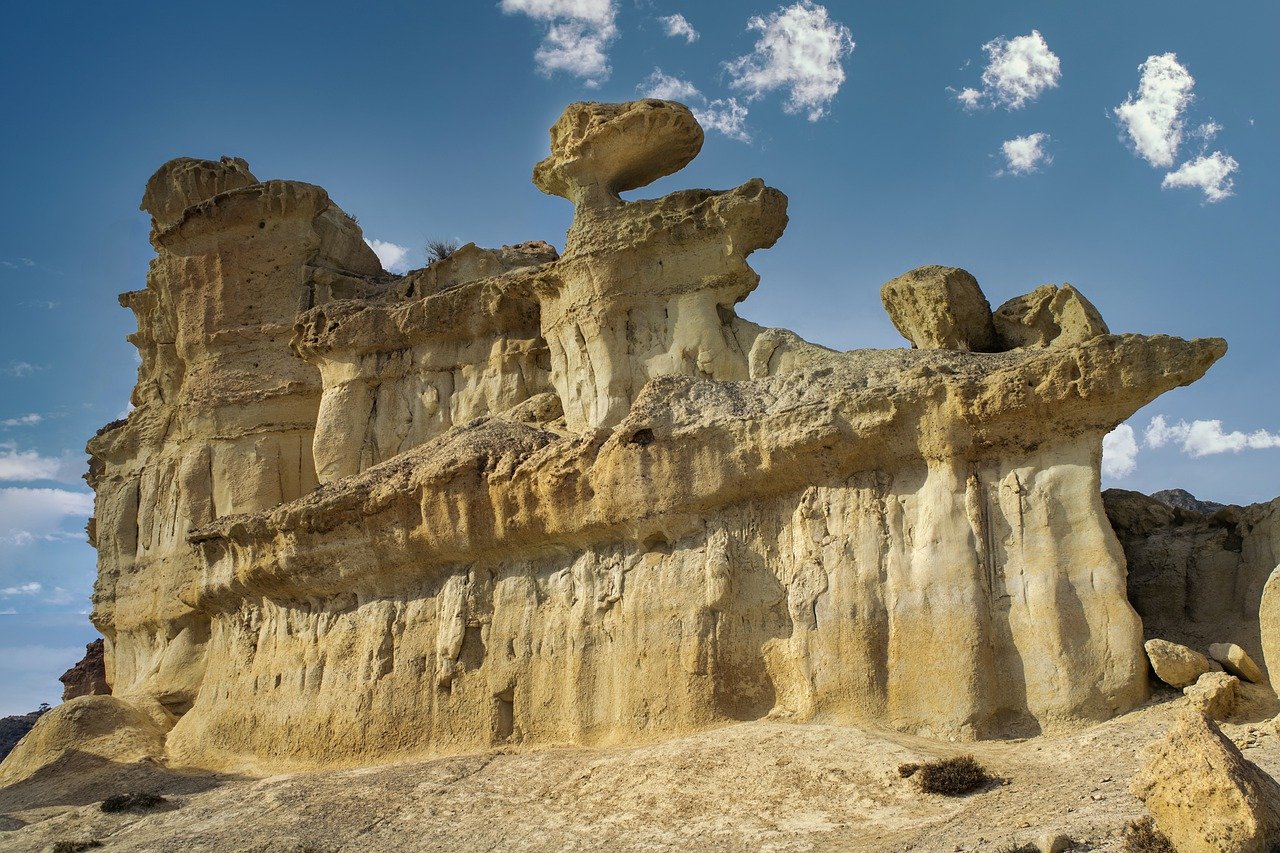
How to Protect Your Outdoor Space from Erosion
12/2/2024
Maintaining a beautiful and functional outdoor space is a priority for many homeowners, but erosion can quickly turn a well-kept yard or garden into a landscape of washed-out soil and damaged plants. Erosion, the process by which soil and other materials are worn away by natural forces like wind and water, poses a significant threat to the integrity of your outdoor spaces. Left unchecked, erosion can lead to soil degradation, loss of plant life, and even structural instability in severe cases. However, with the right strategies, you can protect your outdoor space from erosion and keep it looking its best. Understanding Erosion: Causes and Consequences Erosion occurs when the top layer of soil is displaced by wind, water, or human activity. This process can be gradual, slowly wearing away at your landscape, or it can be rapid, especially during heavy rains or storms. The consequences of erosion are far-reaching and can severely impact the health and appearance of your outdoor space. Natural causes of erosion include rain, wind, and the natural slope of the land. Rainfall, especially heavy or consistent rain, is a primary driver of erosion. Water flows over the surface of the soil, carrying away loose particles and washing them downhill or into streams and rivers. Wind, particularly in dry or exposed areas, can lift and transport soil particles, gradually wearing down the landscape. Human activities, such as construction, gardening, and even walking on certain areas, can exacerbate erosion by disturbing the soil and making it more susceptible to displacement. The consequences of erosion can be severe. Soil degradation, which occurs when the topsoil is lost, leads to poorer soil quality, making it harder for plants to grow. Erosion can also result in the loss of plant life as roots are exposed and unable to anchor plants in the ground. In more extreme cases, erosion can undermine the stability of structures like retaining walls, patios, and even homes, posing significant safety risks. Assessing Your Outdoor Space The first step in protecting your outdoor space from erosion is to assess your property and identify areas that are most at risk. Whether you have a botanical garden or landscaped yard, start by looking for signs of erosion, such as exposed roots, bare patches of soil, or areas where water tends to pool after rain. Sloped areas are particularly vulnerable, as gravity encourages water to flow downhill, taking soil with it. Understanding your soil type is also crucial. Sandy soils are more prone to erosion because they lack the cohesion of clay or loam soils, making them easier to wash away. If your soil is sandy, you’ll need to take extra precautions to prevent erosion. Similarly, areas with steep slopes are at higher risk because water moves more quickly over these surfaces, increasing the potential for soil displacement. Climate also plays a role in erosion risk. Areas with high rainfall or frequent storms are more likely to experience erosion, as are regions with strong winds. Consider your local weather patterns when assessing your erosion risk, as this will help you choose the most effective strategies for your landscape. Implementing Erosion Control Techniques Once you’ve assessed your outdoor space, you can begin implementing erosion control techniques to protect it. One of the most effective methods is planting vegetation. Plants are natural protectors against erosion because their roots help to anchor the soil, preventing it from being washed or blown away. Ground covers, shrubs, and trees are all excellent options for stabilizing soil. Ground covers like creeping thyme or clover spread quickly and provide a dense cover that holds soil in place, while shrubs and trees offer deeper root systems that can stabilize larger areas. Mulch and ground covers are another practical solution. These erosion control measures can significantly reduce soil displacement. Applying mulch to exposed soil helps to retain moisture, reducing the impact of rain and runoff. Mulch also adds organic matter to the soil, improving its structure and making it more resistant to erosion. Ground covers, such as ivy or ornamental grasses, offer similar benefits by providing a protective layer over the soil and reducing the effects of wind and water. For sloped areas, terracing and retaining walls can be highly effective. Terracing involves creating a series of stepped levels on a slope, which reduces the speed at which water flows downhill and allows it to soak into the soil rather than washing it away. Retaining walls, made from stone, brick, or wood, act as physical barriers that hold soil in place and prevent it from sliding down the slope. Water Management Strategies Managing water flow is essential in preventing erosion. Installing drainage systems, such as French drains or gutters, can help direct water away from vulnerable areas, reducing the likelihood of erosion. Proper drainage ensures that water is channeled away from slopes, foundations, and other erosion-prone areas, minimizing the risk of soil displacement. Rain gardens are another effective water management strategy. These are shallow, planted depressions that capture and absorb runoff from roofs, driveways, and other hard surfaces. By allowing water to slowly infiltrate the soil, rain gardens reduce the volume of water that would otherwise contribute to erosion. They also add beauty and biodiversity to your landscape, making them a valuable addition to any outdoor space. Permeable paving is an innovative solution that helps reduce erosion caused by runoff. Unlike traditional concrete or asphalt, permeable paving materials allow water to seep through the surface and into the ground, reducing the amount of runoff that can cause erosion. Permeable paving is ideal for driveways, walkways, and patios, offering both functionality and aesthetic appeal. Regular Maintenance and Monitoring Even after implementing erosion control measures, regular maintenance and monitoring are essential to ensure their effectiveness. Routine inspections of your outdoor space can help you identify any new signs of erosion or areas where your existing measures may need reinforcement. Look for changes in soil levels, exposed roots, or areas where water seems to be pooling, and address these issues promptly to prevent further damage. Repairing damage quickly is key to maintaining the integrity of your erosion control efforts. If you notice any areas where soil has been displaced, take steps to replace it and reinforce the area with additional vegetation or mulch. Keeping your plants healthy and well-maintained is also crucial, as strong, healthy roots are better able to hold soil in place and prevent erosion. Professional Assistance In some cases, professional assistance may be necessary to effectively manage erosion, especially if you’re dealing with severe erosion or complex landscapes. An erosion control specialist can provide valuable insights and solutions tailored to your specific needs. They can conduct soil testing, design custom erosion control plans, and install features like retaining walls, drainage systems, and terraces that are beyond the scope of most DIY projects. While professional services can be an investment, the cost is often outweighed by the long-term benefits of preserving your outdoor space. A well-designed erosion control plan can prevent costly damage to your property and enhance the beauty and functionality of your landscape. Erosion is a natural process that can have significant impacts on your outdoor space, but with the right strategies, you can protect your landscape from its damaging effects. By understanding the causes and consequences of erosion, assessing your property’s risk factors, and implementing effective control measures, you can preserve the beauty and stability of your outdoor environment. Regular maintenance and, if necessary, professional assistance will help ensure that your erosion control efforts are successful, allowing you to enjoy a healthy, thriving outdoor space for years to come. Take action today to safeguard your landscape and prevent erosion from undermining the natural beauty of your property.